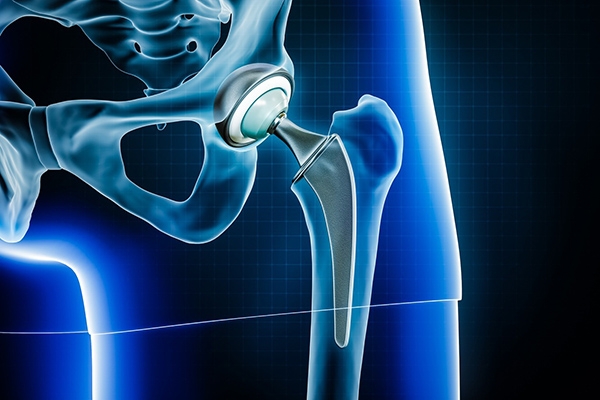
Hip pain can make everyday activities such as walking, exercising, climbing stairs, and even getting out of a chair increasingly difficult. For individuals living with advanced hip arthritis or other degenerative hip conditions, hip replacement surgery may provide lasting pain relief and improved mobility. Among today's surgical options, anterior approach hip replacement has gained attention for its muscle-sparing technique and potential for a smoother recovery. Here's what Westchester patients should know about this advanced procedure.
What Is Anterior Approach Hip Replacement?
Anterior approach hip replacement is a surgical technique that allows the surgeon to access the hip joint through the front of the hip rather than the side or back.
Unlike some traditional approaches, the surgeon works between natural muscle planes instead of detaching major muscles. The damaged portions of the hip joint are removed and replaced with artificial components designed to restore function, improve mobility, and relieve pain.
Because important muscles remain largely intact, many patients experience a more comfortable recovery and a quicker return to daily activities.
Benefits of Anterior Hip Replacement
Many patients throughout Westchester choose the anterior approach because it offers several potential advantages.
Less Muscle Disruption
Since major muscles are typically not detached during surgery, patients may experience less soft tissue trauma and discomfort during the early stages of recovery.
Faster Early Recovery
Many patients begin walking with assistance shortly after surgery and may regain independence sooner than expected.
Improved Mobility
Preserving muscles and surrounding soft tissues can help support a more natural walking pattern and improved function during rehabilitation.
Fewer Movement Restrictions
Some patients may have fewer postoperative movement precautions because important soft tissue structures around the hip are preserved.
Advanced Surgical Precision
Many surgeons combine the anterior approach with computer-assisted planning and robotic technology to optimize implant positioning and alignment.
Who May Benefit from Anterior Hip Replacement?
Anterior hip replacement is often recommended for patients experiencing significant pain and loss of function caused by hip joint damage.
Common conditions treated include:
- Hip osteoarthritis
- Rheumatoid arthritis
- Hip dysplasia
- Avascular necrosis
- Degenerative joint disease
- Certain hip fractures
Not every patient is an ideal candidate. Factors such as body type, previous hip surgeries, bone quality, and overall health help determine the most appropriate surgical approach.
A comprehensive orthopedic evaluation is essential to create a personalized treatment plan.
What Happens During the Procedure?
Before surgery, imaging studies are performed to evaluate the hip joint and assist with surgical planning.
During the procedure, the surgeon makes an incision at the front of the hip and carefully works between muscle groups to access the joint. Damaged cartilage and bone are removed and replaced with specialized implants designed to restore smooth movement and stability.
Many orthopedic specialists use advanced technologies such as computer-assisted navigation or robotic-assisted systems to enhance precision and support optimal implant placement.
Recovery After Anterior Hip Replacement
Recovery varies from patient to patient, but many individuals benefit from early mobility and a structured rehabilitation program.
Immediately After Surgery
Many patients begin standing and walking with assistance on the day of surgery or shortly afterward. Early movement promotes circulation, reduces stiffness, and supports healing.
The First Few Weeks
During the initial recovery period, patients typically focus on:
- Increasing walking distance
- Improving strength and balance
- Managing swelling
- Participating in physical therapy
- Returning to routine activities
Many patients gradually progress from a walker to a cane before walking independently.
Long-Term Recovery
As healing continues, most patients experience significant pain relief, improved mobility, and better overall quality of life. While many daily activities can be resumed within weeks, complete recovery may continue for several months.
Following rehabilitation guidelines and maintaining an active recovery plan are important for achieving the best possible outcome.
Why Surgical Expertise Matters
Anterior hip replacement is a technically demanding procedure that requires specialized training and experience. The success of the surgery depends not only on the technique itself but also on the expertise of the surgeon performing it.
Experienced hip reconstruction specialists understand patient selection, surgical planning, implant positioning, and postoperative management. Their expertise can help optimize outcomes while reducing the risk of complications.
For patients in Westchester with severe arthritis, complex hip anatomy, or previous hip procedures, specialized experience can be especially important.
Frequently Asked Questions
What is anterior approach hip replacement?
It is a hip replacement technique that accesses the joint through the front of the hip while working between muscles rather than detaching them.
Is recovery faster with anterior hip replacement?
Many patients experience a faster early recovery and return to mobility, although individual results vary.
Who is a candidate for anterior hip replacement?
Patients with hip arthritis, hip dysplasia, avascular necrosis, and other degenerative hip conditions may be candidates after an orthopedic evaluation.
How long does recovery take?
Many patients return to routine daily activities within several weeks, while complete recovery may take several months.
Does anterior hip replacement provide long-term pain relief?
For appropriately selected patients, hip replacement is highly successful at reducing pain and improving mobility and quality of life.
Moving Forward with Confidence
If chronic hip pain is limiting your ability to stay active and enjoy daily life in Westchester, anterior approach hip replacement may be an effective solution. Consulting with an experienced hip reconstruction specialist can help determine whether this advanced procedure is right for you and support your journey toward lasting pain relief and restored mobility.
Dr. Alejandro Gonzalez Della Valle, MD, is a board-certified orthopedic surgeon and internationally recognized expert in hip and knee reconstruction. As Chief of the Hip Service at Hospital for Special Surgery, he specializes in advanced hip replacement techniques, including anterior approach hip replacement, minimally invasive surgery, and revision hip reconstruction. With more than two decades of experience and thousands of successful procedures performed, Dr. Gonzalez Della Valle combines evidence-based care, advanced technology, and personalized treatment plans to help patients restore mobility and improve quality of life.