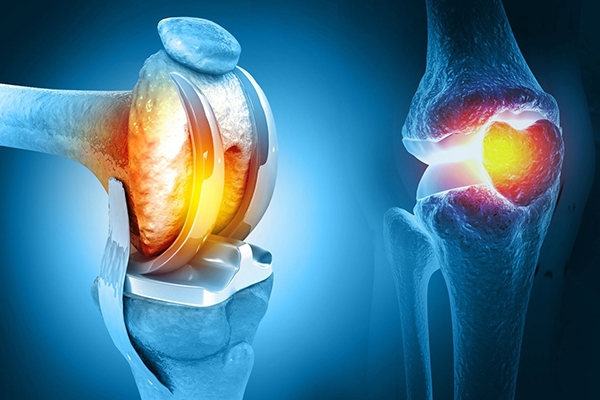
Don't let severe hip or knee arthritis compromise your independence and sleep. Advanced robotic-assisted joint replacement in NYC merges your surgeon's skill with real-time digital mapping for optimal implant fit and natural movement. Whether you are exploring options for yourself or a loved one, learn how this state-of-the-art procedure works, who qualifies, and what to expect during recovery.
Understanding Robotic Hip and Knee Replacement
Robotic-assisted hip and knee replacement is a form of joint replacement surgery that uses technology to create a personalized surgical plan. Before surgery, imaging or digital mapping may be used to develop a detailed model of the affected joint. This information helps the surgeon plan implant size, placement, alignment, and the amount of damaged bone to remove.
During surgery, the robotic system provides feedback and guidance based on the preoperative plan and the patient's anatomy. The surgeon makes all clinical decisions and controls the instruments throughout the procedure. The purpose of robotic assistance is to support accuracy and consistency during the reconstruction.
Robotic technology may be used for robotic-assisted hip replacement and robotic knee replacement when it is appropriate for the patient's condition and surgical plan.
What Conditions Can Robotic Joint Replacement Treat?
Robotic hip and knee replacement may be considered for patients with severe osteoarthritis, rheumatoid arthritis, post-traumatic arthritis, avascular necrosis of the hip, or degenerative joint disease. These conditions can damage the cartilage that normally cushions the joint, allowing bone surfaces to rub together and cause pain, stiffness, swelling, and reduced movement.
For hip patients, symptoms often include groin pain, pain while walking, difficulty bending, stiffness, or discomfort that affects sleep. Knee arthritis may cause pain with stairs, standing, walking, squatting, or rising from a chair. Some patients also develop knee deformity, instability, or a progressive loss of motion.
Joint replacement is generally considered only after a thorough evaluation and appropriate non-surgical treatment. Physical therapy, activity modifications, medication, injections, weight-management strategies, and assistive devices may help some patients control symptoms before surgery becomes necessary.
What Are the Benefits of Robotic Hip Replacement?
Robotic-assisted hip replacement allows the surgeon to use detailed preoperative planning and real-time guidance while replacing the damaged ball-and-socket joint. This can help tailor implant placement to the patient's anatomy and support joint balance and leg-length considerations.
The goal of hip replacement is to relieve pain and restore smoother movement by replacing damaged cartilage and bone with prosthetic components. Robotic guidance is one tool that may assist the surgeon in positioning these components accurately. It may be used alongside other advanced techniques, including minimally invasive and anterior hip replacement, when clinically appropriate.
Not every patient needs robotic technology, and it is not a substitute for surgical expertise. The best approach depends on the patient's anatomy, diagnosis, bone quality, medical history, and surgeon's recommendation.
What Are the Benefits of Robotic Knee Replacement?
Robotic knee replacement uses computer-assisted planning to help guide the resurfacing of damaged knee joint surfaces and the placement of the implant. The system can provide information about knee alignment, ligament balance, and joint movement during the procedure.
For patients with advanced knee arthritis, the objective of knee replacement is to reduce pain, improve stability, and restore functional movement. Robotic assistance may help customize the procedure to the patient's individual knee anatomy. It can be used for total knee replacement and, in certain cases, partial knee replacement when arthritis affects only one section of the knee.
What Happens During Robotic Joint Replacement Surgery?
Before surgery, the surgeon reviews imaging, medical history, physical examination findings, and the patient's goals. In many cases, a CT scan or digital mapping process is used to create a three-dimensional model of the hip or knee. The surgeon uses this information to plan the procedure.
During surgery, the damaged portions of the hip or knee joint are removed and replaced with artificial components. In hip replacement, the damaged ball and socket are replaced with a prosthetic ball, stem, socket shell, and liner. In knee replacement, damaged surfaces of the knee are resurfaced with metal components and a durable spacer that supports smooth joint movement.
Robotic technology provides guidance throughout key parts of the operation, but the surgeon performs the surgery and maintains control of the robotic system. After the procedure, patients receive individualized instructions for mobility, pain control, wound care, exercises, and follow-up.
Who Is a Candidate for Robotic Hip or Knee Replacement in New York City?
A candidate for robotic joint replacement usually has advanced hip or knee arthritis or joint damage that is significantly limiting daily activities. Patients may seek an evaluation when pain interferes with sleep, work, exercise, walking, travel, or independence at home.
Age alone does not determine whether someone is a candidate for hip or knee replacement. The decision is based on symptoms, imaging findings, general health, previous treatments, joint anatomy, and functional goals. A patient may be an excellent candidate for traditional, computer-assisted, or robotic joint replacement depending on the details of their case.
A consultation with a hip and knee replacement specialist is the most reliable way to learn whether robotic assistance is appropriate. The surgeon can explain the possible benefits, limitations, alternatives, and risks in the context of your individual condition.
What Is Recovery Like After Robotic Hip or Knee Replacement?
Recovery after robotic joint replacement is similar in many ways to recovery after other hip or knee replacement procedures. Patients are encouraged to begin safe movement soon after surgery as directed by their care team. Many begin standing or walking with assistance shortly after the procedure, although the timing depends on each person's health and surgical plan.
In the first few weeks, recovery usually focuses on managing pain and swelling, protecting the incision, safely using a walker or cane if needed, and performing prescribed exercises. Physical therapy helps patients restore motion, strength, balance, and confidence with walking. Most people gradually return to basic daily activities over several weeks, while continued improvement may occur for several months.
Your recovery will be personal to you. The joint being treated, the severity of arthritis before surgery, your overall health, your home support, and your participation in rehabilitation can all influence the timeline.
How Can Patients Prepare for Robotic Joint Replacement?
Preparation begins with a complete evaluation and medical clearance when required. Patients may need laboratory testing, updated imaging, and preoperative education. It is also helpful to prepare the home for safe recovery by removing tripping hazards, arranging a comfortable place to rest, and identifying someone who can assist during the early postoperative period.
Before your consultation, collect prior X-rays, MRI or CT scans, a list of medications, relevant medical records, and operative reports from any previous joint surgery. The practice's first visit guide explains how patients can prepare for an appointment.
Patients should also discuss work demands, exercise goals, travel plans, and concerns about recovery with their surgeon. Clear communication helps create a realistic recovery plan.
What Are the Risks of Robotic Hip and Knee Replacement?
All joint replacement procedures carry potential risks. These can include infection, blood clots, bleeding, fracture, nerve or blood-vessel injury, stiffness, instability, dislocation in hip replacement, implant wear or loosening, and the possible need for revision surgery in the future.
Robotic technology may assist with planning and implant positioning, but it does not eliminate the risks of surgery. A detailed evaluation, careful surgical planning, appropriate patient selection, and following postoperative instructions are all important for reducing risk and supporting recovery.
Frequently Asked Questions
- Does a robot perform hip or knee replacement surgery?
No. The orthopaedic surgeon performs the procedure and remains fully in control. Robotic technology provides planning tools, guidance, and real-time feedback to assist with the surgical process.
- Is robotic joint replacement better than traditional joint replacement?
Robotic assistance can offer detailed planning and precision, but the best approach differs for every patient. Your surgeon will recommend the technique that is most appropriate for your anatomy, diagnosis, and treatment goals.
- How long does recovery take after robotic hip or knee replacement?
Many patients return to basic daily activities within several weeks, while strength, endurance, and full functional recovery continue to improve over several months. Your recovery timeline depends on your procedure and individual health.
- Can robotic replacement treat severe hip or knee arthritis?
Yes. Robotic-assisted joint replacement may be an option for patients with advanced arthritis when non-surgical treatment no longer provides enough pain relief or mobility improvement.
- Is robotic hip or knee replacement available in New York City?
Dr. Gonzalez Della Valle offers robotic-assisted hip and knee replacement for appropriately selected patients in New York City. A personalized consultation can determine whether it is right for you.
Dr. Alejandro Gonzalez Della Valle, MD, is a board-certified orthopedic surgeon specializing in hip and knee reconstruction. With extensive experience in primary and revision joint replacement surgery, he is recognized for his expertise in advanced techniques, including minimally invasive and anterior approach hip replacement. As Attending Orthopedic Surgeon at Hospital for Special Surgery and a Professor of Clinical Orthopaedic Surgery at Weill Cornell Medical College, Dr. Gonzalez Della Valle is dedicated to delivering evidence-based, patient-centered care to help individuals regain mobility and improve quality of life.