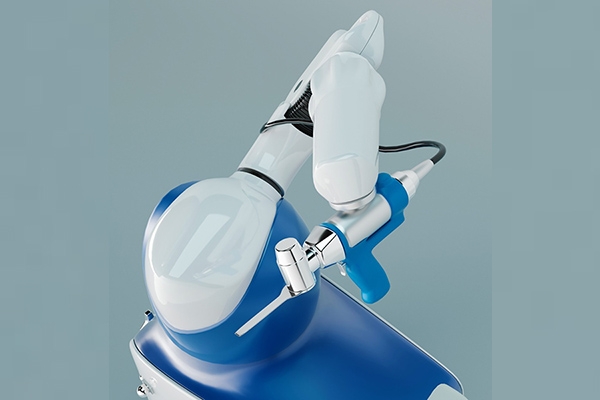
Chronic hip or knee pain can make everyday activities increasingly difficult, affecting mobility, independence, and overall quality of life. For patients in New York City seeking lasting relief from joint pain, advances in surgical technology are transforming the joint replacement experience. While traditional joint replacement has helped millions regain function, robotic-assisted joint replacement offers a more personalized and precise approach, helping surgeons optimize implant placement and potentially improve outcomes. Here's what patients should know about robotic hip and knee replacement.
What Is Robotic-Assisted Joint Replacement?
Robotic-assisted joint replacement uses advanced technology to help orthopedic surgeons plan and perform hip or knee replacement procedures with greater accuracy. The robot does not perform the surgery. Instead, the surgeon remains in control while using robotic guidance throughout the procedure.
Before surgery, detailed imaging creates a three-dimensional model of the joint, allowing for a customized surgical plan. During the operation, the robotic system provides real-time feedback to help ensure precise implant placement and alignment.
Why Precision Matters in Joint Replacement
As more patients in New York City seek active lifestyles well into retirement, precision in joint replacement has become increasingly important for optimizing function and longevity.
Robotic technology helps surgeons align implants more precisely while preserving healthy bone and soft tissue whenever possible. This can be especially beneficial in complex cases and revision surgeries.
Benefits of Robotic Hip Replacement
Robotic-assisted hip replacement is often used to treat conditions such as advanced arthritis, avascular necrosis, and hip dysplasia.
Potential benefits include:
- Improved implant positioning
- Enhanced joint stability
- Better restoration of hip mechanics and leg length
- Reduced risk of implant misalignment
- Potentially faster recovery
- Improved surgical planning
Many patients experience significant pain relief and improved mobility following recovery.
Advantages of Robotic Knee Replacement
Knee replacement requires careful balancing and alignment to ensure smooth movement and function. Robotic technology provides detailed information about the knee's anatomy throughout the procedure.
Potential advantages of robotic knee replacement include:
- Greater implant placement accuracy
- Improved soft tissue balancing
- Better knee alignment
- Personalized surgical planning
- Potentially improved function and satisfaction
- Reduced risk of alignment-related complications
Robotic assistance can be used for both total and partial knee replacement procedures.
Hip & Knee Conditions Commonly Treated
Robotic-assisted joint replacement may be considered when conservative treatments such as physical therapy, medications, injections, or activity modification no longer provide relief.
Common conditions include:
- Osteoarthritis
- Rheumatoid arthritis
- Post-traumatic arthritis
- Avascular necrosis of the hip
- Hip dysplasia
- Severe joint degeneration
- Failed joint replacements requiring revision surgery
An orthopedic evaluation can determine whether robotic-assisted surgery is appropriate.
Recovery After Robotic Joint Replacement
Patients in New York City may be particularly interested in robotic-assisted surgery because of its emphasis on precision and the potential for a smoother recovery experience. Recovery varies by patient, but many individuals begin walking shortly after surgery with assistance. Early movement helps promote circulation, strength, and healing.
Physical therapy plays an important role in restoring flexibility, balance, and function. Many patients return to routine daily activities within several weeks, although full recovery may take several months depending on the procedure and individual factors.
Is Robotic Joint Replacement Right for You?
While robotic technology offers important advantages, successful outcomes still depend on the expertise of the orthopedic surgeon. Robotic systems are tools that enhance precision, but proper patient selection, surgical planning, and postoperative care remain essential.
If persistent hip or knee pain is limiting your daily activities, a consultation with a joint replacement specialist can help determine whether robotic-assisted surgery may be an appropriate option.
Frequently Asked Questions
Does a robot perform the surgery?
No. The orthopedic surgeon performs the procedure. The robotic system provides planning tools and real-time guidance to enhance precision.
Is robotic joint replacement safer than traditional surgery?
While all surgeries carry risks, robotic technology is designed to improve surgical accuracy and consistency, which may contribute to better outcomes.
How long does recovery take?
Many patients begin walking shortly after surgery and resume many daily activities within weeks. Full recovery may take several months.
Who is a candidate for robotic-assisted joint replacement?
Patients with significant arthritis, joint degeneration, or certain complex hip and knee conditions may be candidates. An orthopedic evaluation is necessary to determine eligibility.
How long do hip and knee replacements last?
Modern joint replacement implants can last many years. Longevity depends on factors such as implant type, activity level, overall health, and implant positioning.
Moving Forward with Confidence
If you're living in New York City and hip or knee pain is limiting your quality of life, robotic-assisted joint replacement may help restore mobility, reduce discomfort, and support a return to the activities you enjoy.
Dr. Alejandro Gonzalez Della Valle, MD, is a board-certified orthopedic surgeon and internationally recognized expert in hip and knee reconstruction. As Chief of the Hip Service at Hospital for Special Surgery, he specializes in advanced joint replacement techniques, including robotic-assisted hip and knee surgery. With more than two decades of experience and thousands of successful procedures performed, Dr. Gonzalez Della Valle uses state-of-the-art technology to enhance surgical precision, optimize implant positioning, and support faster recovery. His expertise spans primary and revision joint replacement for patients seeking lasting pain relief and improved mobility.