Expert Hip Resurfacing by Dr. Alejandro Gonzalez Della Valle
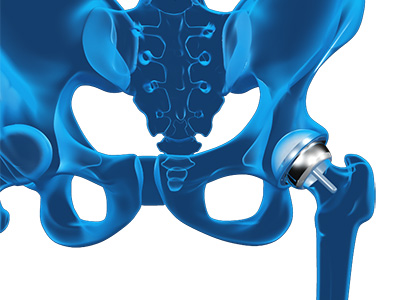
Regain mobility and relieve hip pain with advanced hip resurfacing surgery in New York. Performed by board-certified orthopedic surgeon Dr. Alejandro Gonzalez Della Valle at his NYC practice and as Chief of the Hip Service at Hospital for Special Surgery, this bone-preserving procedure uses state-of-the-art technology to achieve precise component placement, supporting improved joint function, long-lasting results, and a quicker return to an active lifestyle.
Hip resurfacing is an advanced surgical option that preserves more of the natural bone while using precise techniques to ensure accurate implant placement. It is well suited for patients with severe hip arthritis who wish to maintain an active lifestyle, offering improved joint stability, a more natural range of motion, and a lower risk of dislocation. Faster recovery and reduced downtime make it an appealing long-term solution for active individuals seeking durable pain relief.
Schedule a consultation today at Dr. Gonzalez Della Valle's office to discuss if hip resurfacing is right for you.
Benefits Of Hip Resurfacing
- Preserves more of the natural bone compared to total hip replacement
- Provides a more natural hip movement and range of motion
- Lower risk of hip dislocation due to larger femoral head size
- Suitable for younger, active patients seeking to maintain high activity levels
- Allows easier revision surgery in the future if needed
- Offers durable pain relief from severe hip arthritis
- Faster recovery and quicker return to sports and daily activities
The Structure of the Hip
To understand hip resurfacing, it is important to first know how the hip joint functions. The hip is a ball-and-socket joint, where the ball at the top of the femur fits into the socket of the pelvis, allowing smooth movement in multiple directions. In hip resurfacing, instead of removing the entire joint, the damaged surfaces of the ball and socket are carefully reshaped and capped with metal components, preserving more of the natural bone while restoring pain-free movement.
The Healthy Hip:
In a healthy hip joint, the ends of the thigh bone and the hip socket are coated with a smooth layer of cartilage. This cushioning surface allows the ball of the hip to move freely and smoothly within the socket during walking, bending, and other everyday motions.
The Arthritic Hip:
When the hip joint becomes severely damaged, the protective cartilage has worn away. Without this cushioning, the underlying bone surfaces begin to rub directly against each other. Over time, the joint becomes rough and irregular, leading to pain, stiffness, and a noticeable loss of movement with even simple activities.
Hip Resurfacing:
Damage to the hip bones can be treated by hip resurfacing, which is a surgical procedure in which the damaged parts of the femoral head are trimmed, and the socket is removed and replaced with metal caps.

-
Alejandro Gonzalez Della Valle, MD Board Certified & Fellowship Trained Orthopedic Surgeon
Dr. Gonzalez Della Valle is an expert in reconstructive surgery of the hip and the knee, including hip and knee replacements as well as joint reserving procedures (arthroscopy).
About Hip Resurfacing
What is Hip Resurfacing?
Hip resurfacing is a bone-preserving surgical procedure used to treat hip arthritis. It involves reshaping and capping the damaged femoral head and lining the hip socket with metal components, rather than replacing the entire joint.
How Does Hip Resurfacing Work?
Hip resurfacing works by preserving most of the natural hip joint while treating damaged surfaces caused by arthritis. During the procedure, the surgeon reshapes the femoral head and caps it with a smooth metal covering, while the hip socket is fitted with a metal lining. This restores smooth joint movement, reduces pain, and maintains joint stability.
What Conditions Does Hip Resurfacing Treat?
Hip resurfacing treats conditions that damage the hip joint surface and cause pain or stiffness, including severe hip osteoarthritis, post-traumatic arthritis following hip injury, and certain cases of avascular necrosis (with adequate bone quality). It is best suited for active patients with strong bone structure.
Is Hip Resurfacing Good for Long-Term Mobility?
Yes, hip resurfacing can be good for long-term mobility, especially for younger and active patients. By preserving more natural bone and using a larger femoral head, it allows more natural movement, improved joint stability, and a lower risk of dislocation, helping patients maintain an active lifestyle over time.
How Is Hip Resurfacing Different from Traditional Hip Replacement?
Hip resurfacing differs from traditional hip replacement by preserving more of the natural bone. Instead of removing the entire femoral head, it is reshaped and capped with a metal covering, while the socket is lined. Traditional hip replacement removes both the ball and socket and replaces them with artificial components.
Treatment Experience
What Should I Do to Prepare for Hip Resurfacing?
Complete pre-admission testing, attend educational classes, avoid certain medications, and plan for post-surgery support.
What Should I Expect During the Treatment?
During hip resurfacing treatment, you will receive anesthesia before the surgeon reshapes and caps the damaged femoral head and lines the hip socket with a metal component. The procedure typically takes a few hours, followed by a short hospital stay and early guided movement to support recovery.
Is Hip Resurfacing Painful?
Hip resurfacing is performed under anesthesia, so you won't feel pain during the procedure. After surgery, some pain and discomfort are normal, but these are usually well controlled with medications and physical therapy. Pain typically improves significantly as healing progresses.
How Long does the Surgery last?
Hip resurfacing surgery typically takes 1.5 to 3 hours, depending on the complexity of the case and the patient's anatomy.
What is the Downtime After Hip Resurfacing?
Downtime after hip resurfacing varies by individual, but most patients begin walking with assistance within a day or two after surgery. Daily activities typically resume within 4-6 weeks, while full recovery and return to high-impact activities may take several months with proper rehabilitation.
FAQs
Most patients notice reduced hip pain and improved mobility within a few weeks after hip resurfacing. Strength, flexibility, and overall function continue to improve over several months as healing progresses and physical therapy advances.
Hip resurfacing implants typically last 15-20 years or more, especially in younger, active patients with good bone quality.
Younger, active patients with severe hip arthritis and good bone quality who want to maintain an active lifestyle.
It is not safe or suitable for all patients and may not be appropriate for those with osteoporosis, poor bone stock, or certain medical conditions.
It may be right for you if you are an active individual with severe hip arthritis and good bone quality. A thorough evaluation by Dr. Gonzalez Della Valle is essential to determine if it's the best option for your condition.
Yes, you may be able to have hip resurfacing even if you've had previous hip surgeries, depending on the type of surgery and your current bone quality.
It carries risks such as infection, blood clots, femoral neck fracture, implant loosening, dislocation, nerve or blood vessel injury, and rare metal reactions.
Hip resurfacing offers lasting pain relief and improved quality of life. Contact Dr. Alejandro Gonzalez Della Valle's office in New York, Paramus, White Plains, NY, to schedule your personalized consultation today.