Knee Procedures
-
Robotic Knee Replacement
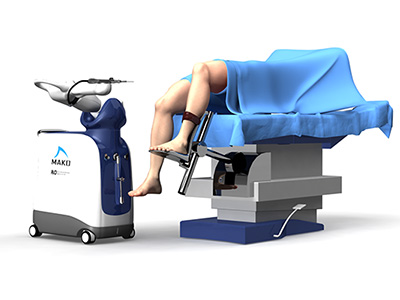
Robotic-assisted technology enhances surgical accuracy by customizing implant placement to the patient’s anatomy for improved stability and outcomes.
-
Computer-Assisted Knee Replacement
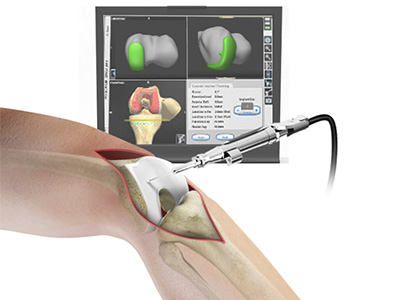
Advanced navigation and imaging technology guide precise implant positioning, improving alignment, function, and long-term durability.
-
Partial Knee Replacement
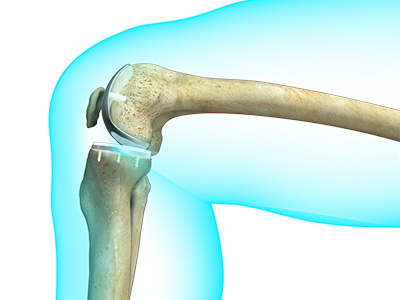
A minimally invasive option that replaces only the damaged portion of the knee, preserving healthy bone and ligaments while allowing faster recovery.
-
Revision Knee Replacement
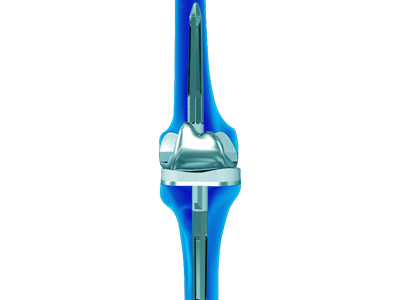
Revision surgery replaces part or all of a previous knee implant that has loosened, worn out, become unstable, or developed complications. Using advanced surgical techniques and modern implant systems, this procedure aims to restore alignment, strength, and long-term joint function.
-
Minimally Invasive Total Knee Replacement
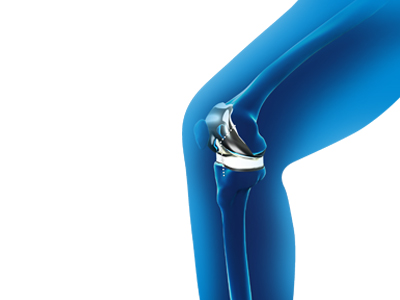
Minimally invasive knee replacement uses specialized instruments and refined surgical techniques to replace damaged joint surfaces through smaller incisions.
-
Minimally Invasive Partial Knee Replacement
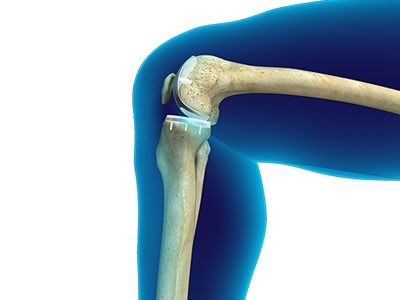
Partial knee replacement is ideal for patients with localized knee arthritis, offering improved joint function, reduced discomfort, and quicker return to daily activities.
-
Total Knee Replacement
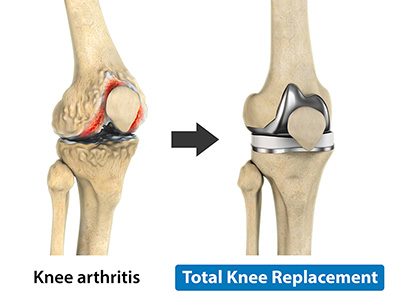
A comprehensive solution for severe knee arthritis, replacing worn joint surfaces to relieve pain, restore motion, and improve quality of life.
-
Patellofemoral Replacement
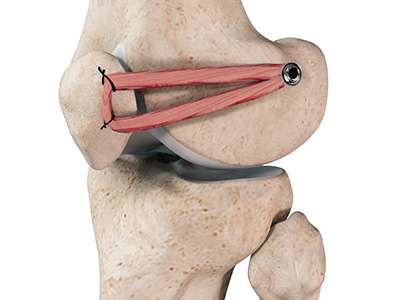
A partial knee replacement procedure designed for patients with arthritis limited to the kneecap and its groove, preserving healthy bone and ligaments.
-
Knee Arthroscopy
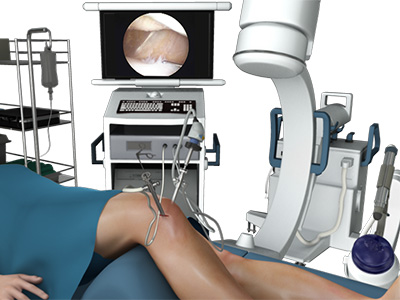
A minimally invasive procedure used to diagnose and treat meniscus tears, cartilage damage, and mechanical knee problems with faster recovery.