Robotic Knee Replacement
Robotic Knee Replacement in New York, Paramus, White Plains, NY
Expert Robotic Knee Replacement by Dr. Alejandro Gonzalez Della Valle
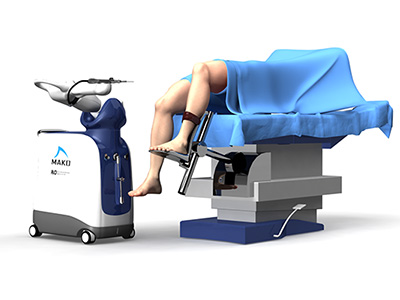
Relieve chronic knee pain and restore confident movement with robotic knee replacement surgery in New York. Performed by board-certified orthopedic surgeon Dr. Alejandro Gonzalez Della Valle at his NYC practice and as Chief of the Hip Service at Hospital for Special Surgery, robotic knee replacement combines proven joint replacement techniques with advanced robotic technology to deliver exceptional precision and consistency.
Robotic-assisted knee replacement allows for personalized implant positioning and real-time adjustments during surgery, leading to improved alignment, better joint balance, and more natural knee function. This approach is ideal for patients seeking long-term relief with faster recovery and predictable outcomes.
Schedule a consultation today to learn if robotic knee replacement is right for you.
Benefits Of Robotic Knee Replacement
- Highly precise implant positioning and alignment
- Personalized surgical planning based on individual anatomy
- Improved soft tissue balance and knee stability
- More natural knee motion and function
- Reduced risk of implant wear or loosening
- Less damage to surrounding healthy tissue
- Reduced postoperative pain and swelling
- Faster recovery and rehabilitation
- Improved long-term implant durability
- Lower likelihood of revision surgery
The Structure of the Knee
Understanding robotic knee replacement begins with the anatomy of the knee joint. The knee is a hinge joint formed by the femur (thigh bone), tibia (shin bone), and patella (kneecap). Smooth cartilage covers these bones, allowing pain-free bending, straightening, and weight-bearing activities.
The Healthy Knee
In a healthy knee, cartilage cushions joint surfaces and evenly distributes load, allowing smooth, stable movement during everyday activities.
The Arthritic Knee
When cartilage wears away due to arthritis or injury, bones rub together, causing pain, stiffness, swelling, and deformity.
Total Knee Replacement
Knee replacement restores joint function by resurfacing damaged bone ends with metal components and inserting a durable plastic spacer for smooth, controlled motion.

-
Alejandro Gonzalez Della Valle, MD Board Certified & Fellowship Trained Orthopedic Surgeon
Dr. Gonzalez Della Valle is an expert in reconstructive surgery of the hip and the knee, including hip and knee replacements as well as joint reserving procedures (arthroscopy).
About Robotic Knee Replacement
What Is Robotic Knee Replacement?
Robotic knee replacement is an advanced surgical procedure that uses robotic-arm or computer-assisted technology to guide precise bone preparation and implant placement during knee replacement surgery.
How Does Robotic Knee Replacement Work?
Before surgery, imaging such as CT scans or digital mapping creates a detailed 3D model of your knee. During the procedure, robotic assistance provides real-time feedback and guidance, allowing Dr. Gonzalez Della Valle to make highly accurate adjustments for optimal alignment and balance.
What Conditions Does Robotic Knee Replacement Treat?
- Severe osteoarthritis
- Rheumatoid arthritis
- Post-traumatic arthritis
- Knee deformities (bow-leg or knock-knee)
- Chronic knee pain and stiffness
Is Robotic Knee Replacement Good for Long-Term Mobility?
Yes. Improved alignment and balance help reduce abnormal wear, enhance stability, and extend the lifespan of the knee implant.
How Is Robotic Knee Replacement Different from Traditional Knee Replacement?
Robotic assistance provides data-driven precision and real-time adjustments, resulting in more accurate implant placement and improved outcomes compared to manual techniques.
Treatment Experience
What Should I Do to Prepare for Robotic Knee Replacement?
Patients complete pre-operative testing, review medications, attend educational sessions, and prepare for recovery at home.
What Should I Expect During the Treatment?
The surgery typically lasts 1–1.5 hours under anesthesia. Advanced pain-management protocols help ensure comfort.
Is Robotic Knee Replacement Painful?
Postoperative pain is well-managed, and many patients report less discomfort due to the precision and tissue-sparing nature of robotic assistance.
How Long Does the Surgery Take?
Robotic knee replacement usually takes about 1–1.5 hours. Hospital stay is typically 1–2 days, with select patients eligible for same-day discharge.
What Is the Downtime After Robotic Knee Replacement?
Patients often begin walking the same day or next day. Physical therapy starts early, with steady progress over several weeks.
FAQs
Pain relief and improved function often begin soon after surgery, with continued improvement over 6–12 weeks and full recovery within 3–6 months.
Modern implants can last 15–20 years or longer, with robotic precision helping reduce wear and extend implant life.
Patients with severe knee arthritis seeking precise, personalized outcomes may benefit.
It is safe for most patients, including those with complex anatomy. Eligibility is determined during consultation.
If knee pain limits daily activities and conservative treatments no longer help, robotic knee replacement may be an excellent option.
Yes. Most patients return to walking, swimming, cycling, and other low-impact activities.
Risks include infection, blood clots, stiffness, or implant-related issues, though complication rates are low with experienced surgical care.
Robotic knee replacement delivers unmatched precision and personalized outcomes for lasting pain relief and improved mobility. Contact Dr. Alejandro Gonzalez Della Valle’s office in New York, Paramus, White Plains, NY, today to schedule your personalized consultation.