Hip
-
Computer-Assisted Hip Replacement
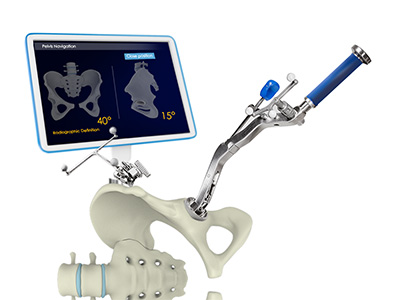
Uses advanced imaging, navigation, or robotic technology to optimize implant alignment, improve joint balance, and enhance long-term outcomes.
-
Robotic-Assisted Hip Replacement
Robotic-assisted technology integrates detailed 3D imaging and real-time surgical guidance to optimize implant positioning and joint balance. Designed for patients with advanced hip arthritis or degenerative joint disease, this technique improves accuracy, reduces complications, and supports faster functional recovery.
-
Hip Resurfacing
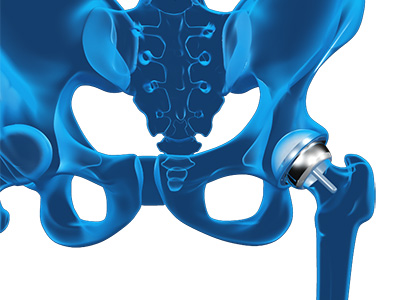
A bone-preserving alternative to total hip replacement, hip resurfacing reshapes and caps the femoral head rather than removing it, helping maintain natural hip mechanics in carefully selected patients.
-
Direct Anterior Total Hip Replacement
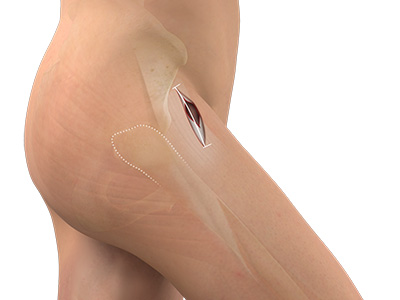
A muscle-sparing approach that accesses the hip joint from the front, allowing for faster recovery, improved stability, and fewer post-surgical restrictions.
-
Revision Hip Replacement
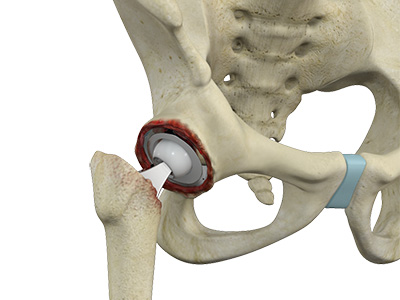
A highly specialized procedure to correct failed or painful hip replacements due to implant wear, loosening, instability, or infection.
-
Total Hip Replacement
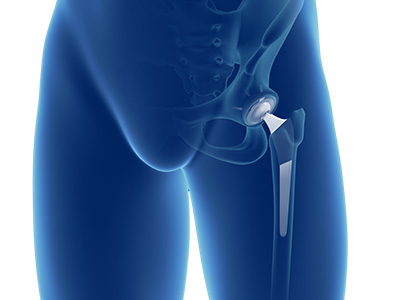
A proven solution for advanced hip arthritis and joint damage, total hip replacement restores smooth movement and lasting pain relief using modern, durable implants.